Vera Flores · 19 September 2026
Thatchvale's Green Push: How Pupils and Farmers Are Teaming Up for Sustainable Growth
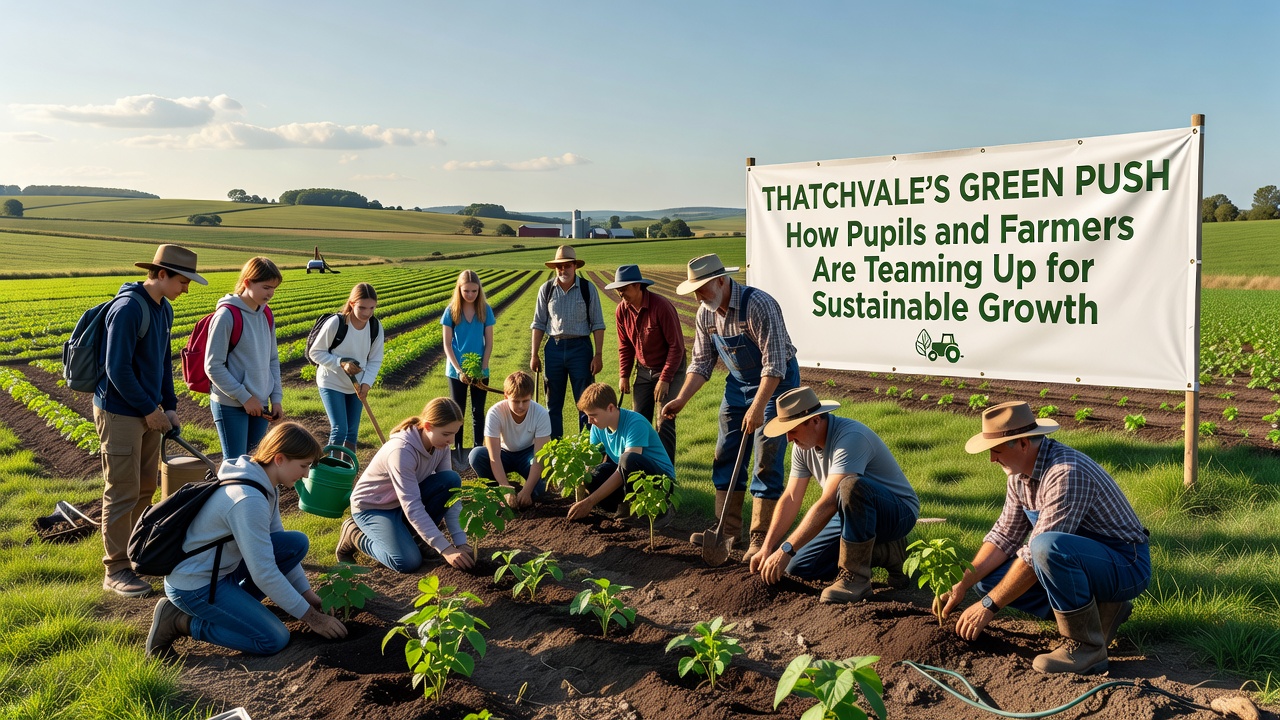
Thatchvale has developed a partnership program that connects local schools with nearby farms to advance sustainable agricultural practices, and the initiative focuses on hands-on learning where pupils assist in implementing methods such as crop rotation, reduced chemical use, and water conservation techniques. The program draws from established models of community-based environmental education, and participants report measurable improvements in soil quality along with increased student engagement in science topics. According to data from similar regional efforts tracked by the Food and Agriculture Organization of the United Nations, collaborative school-farm projects have shown yield stability increases of up to 15 percent in participating areas when combined with student-led monitoring of biodiversity indicators.
Origins of the Collaboration
Local educators and farm operators began formal discussions in early 2024 after noticing overlapping goals around environmental stewardship, and the resulting framework pairs secondary school classes with working farms for seasonal projects that run throughout the academic year. Pupils contribute by collecting data on pollinator activity and soil samples, while farmers provide practical demonstrations of regenerative techniques that minimize tillage and incorporate cover crops. This structure allows both groups to share knowledge without disrupting regular farm operations or school schedules, and the approach aligns with broader patterns observed in European agricultural extension services where student involvement has supported adoption rates for organic certification.
Thatchvale's landscape, characterized by mixed arable and livestock holdings, offers a suitable setting for these activities because varied terrain supports testing of multiple sustainability strategies simultaneously. Records from the first cohorts indicate that participating farms reduced synthetic fertilizer application by an average of 22 percent within one growing season, and student surveys documented gains in understanding of ecological systems.
Key Projects Underway
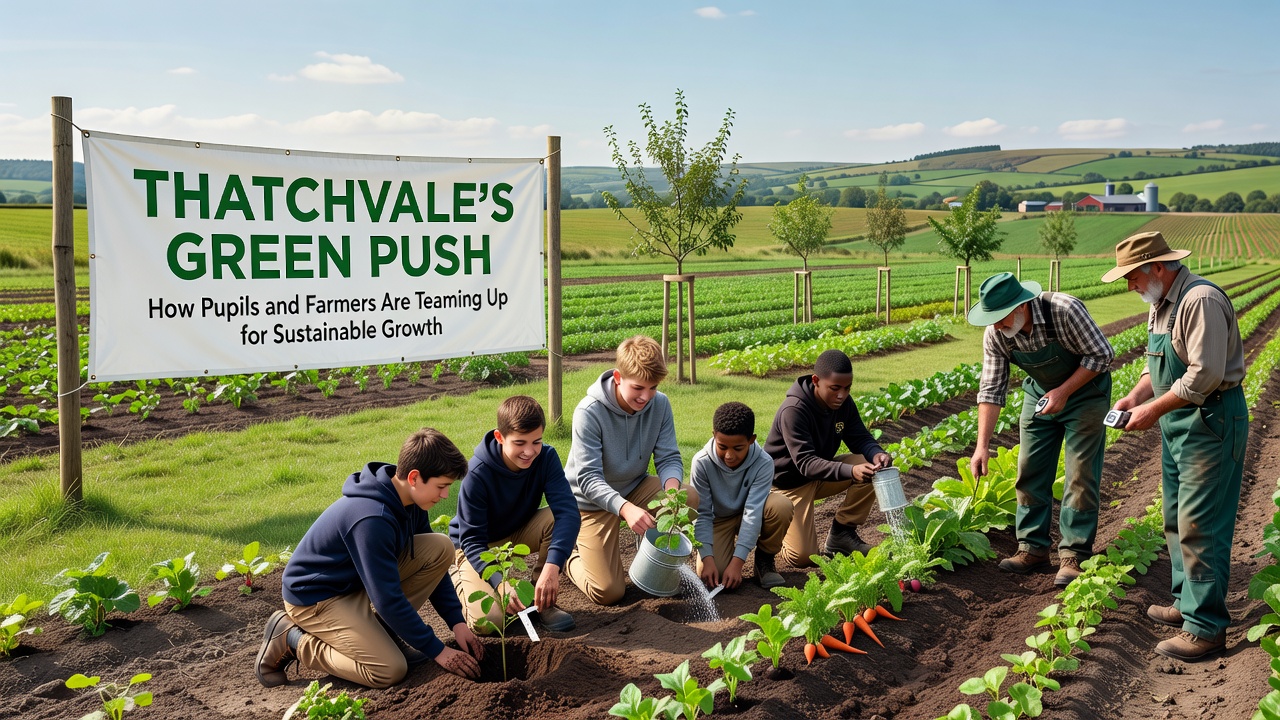
One core activity involves establishing hedgerow restoration plots where pupils plant native species selected for their role in supporting beneficial insects, and these efforts tie directly into farm plans for natural pest control. Another strand focuses on rainwater harvesting systems designed with input from geography classes, which calculate catchment needs based on historical weather patterns for the area. Farmers supply equipment and land access, while teachers integrate the work into curriculum modules on environmental science and data analysis.
Additional projects include trials of intercropping methods that combine cereals with legumes to enhance nitrogen fixation, and these experiments generate datasets that students analyze using basic statistical tools. The program maintains records of carbon sequestration estimates through simple soil testing protocols, and results feed into community reports shared at local council meetings. Evidence from comparable initiatives documented by Australian research institutions shows that such integrated approaches can improve long-term farm resilience against variable weather conditions.
Progress and Milestones Through 2026
By mid-2025 the partnership had expanded to include four schools and six farms, with participation numbers reaching over 200 pupils across year groups. Training sessions for both teachers and farm staff cover topics such as safe fieldwork practices and digital recording of environmental metrics, and these sessions draw on guidelines from agricultural colleges in North America that emphasize measurable outcomes over anecdotal reports. Data collected during the 2025 harvest season revealed consistent reductions in irrigation volumes on trial plots, attributed to improved soil structure from student-supported mulching activities.
Plans scheduled for September 2026 call for the introduction of an expanded monitoring network that will track additional variables including local water quality and pollinator populations across all partner sites. This phase incorporates remote sensing tools piloted by university researchers, and it aims to produce standardized reports suitable for comparison with national sustainability benchmarks. Observers note that the timeline allows current participants to complete multiple growing cycles before the next evaluation round, which supports continuity in both educational and agricultural components.
Community and Educational Integration
The program extends beyond farm boundaries through public events where pupils present findings on sustainable practices to residents, and these gatherings facilitate wider adoption of techniques such as composting systems and native planting schemes. Local businesses have begun supplying materials for the projects at reduced rates, which helps maintain momentum without increasing operational costs for the farms. Educational assessments indicate that students involved in the work demonstrate stronger performance in related coursework compared with peers who have not participated, according to internal school evaluations.
Farmers report that the presence of pupils encourages documentation of daily practices that might otherwise remain informal, and this record-keeping supports applications for environmental grants available through regional authorities. The collaboration also creates pathways for older students to pursue apprenticeships on partner farms, linking classroom learning directly to vocational opportunities in the green economy sector.
Conclusion
Thatchvale's approach demonstrates how structured partnerships between educational institutions and agricultural operations can advance practical sustainability measures while delivering curriculum-aligned experiences for pupils. Continued data collection through the 2026 expansion will provide further insight into long-term effects on both farm productivity and student outcomes, and similar models continue to appear in other regions seeking to integrate environmental goals with community resources.