Vera Flores · 17 October 2026
Thatchvale's Cycle Links and Library Push Reveal Shifting Village Priorities
The village of Thatchvale has advanced plans for interconnected cycle routes alongside renewed efforts to expand and modernize its library facilities, moves that together point to evolving local infrastructure goals. These initiatives emerged from recent council discussions and community consultations held throughout 2025 and into 2026, with formal proposals now moving through approval stages.
Development of Cycle Connections
Engineers and local planners have mapped out a network of dedicated cycle paths designed to link residential areas with the village center, nearby schools, and surrounding farmland. The routes incorporate existing bridleways and quieter lanes, adding new sections of segregated track where traffic volumes warrant separation. Funding for the first phase draws from a combination of county transport grants and developer contributions tied to earlier site approvals, while construction timelines target phased openings beginning late in 2026.
Data from similar projects in other rural districts shows measurable increases in daily cycling trips once safe routes appear. Observers note that Thatchvale's layout, with its dispersed housing and scattered amenities, stands to benefit particularly from such links because short journeys become more practical without relying on cars. The design also includes signage, lighting at key points, and connections to broader regional trails that extend beyond parish boundaries.
Library Modernization Efforts
Parallel to the transport work, library advocates have secured support for an extension and technology upgrade at the existing Thatchvale branch. The plans call for additional floor space to house expanded digital collections, flexible meeting rooms, and dedicated areas for local history archives. A community fundraising drive has supplemented core budget allocations, and architects have incorporated energy-efficient features to align with wider environmental targets.
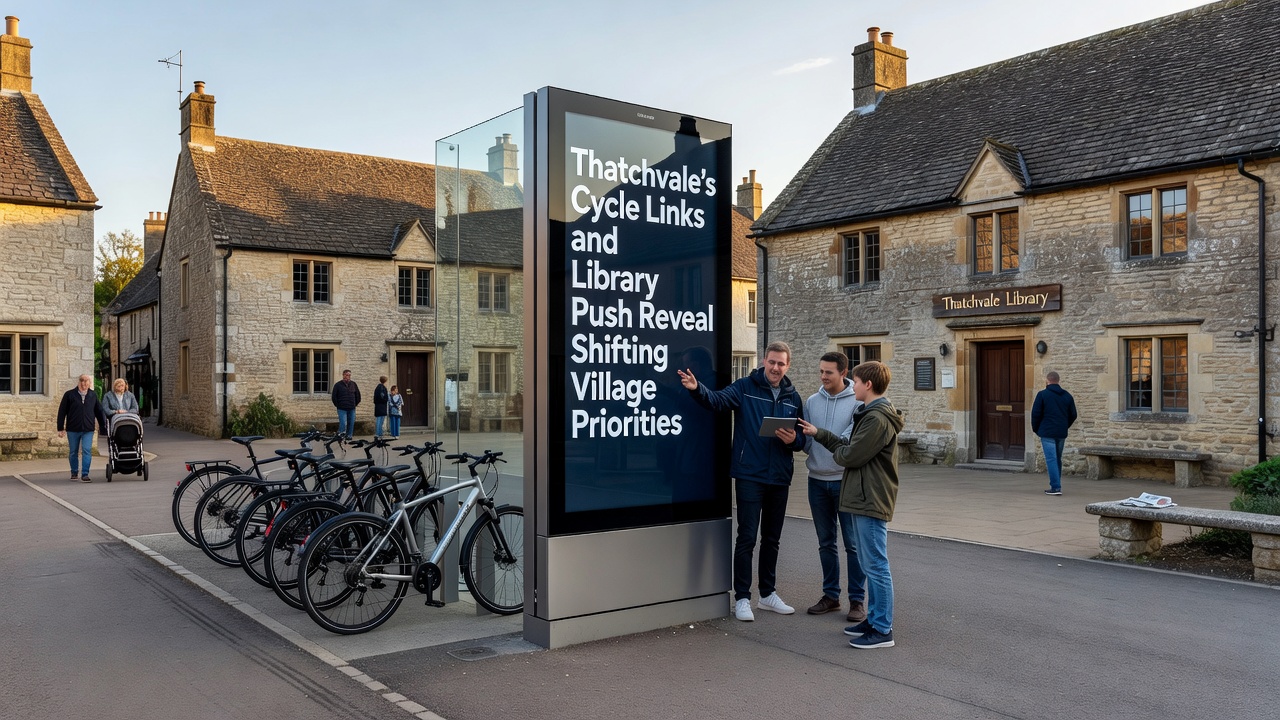
Library usage statistics compiled by the county service indicate steady demand for both traditional lending and new services such as public computers and after-school study spaces. The proposed changes respond directly to those patterns by increasing capacity and introducing facilities that support remote learning and small-group activities. Completion of the library works is scheduled to coincide with the first cycle route openings, creating a coordinated rollout that residents can experience as a single package of improvements.
Evidence of Changing Local Focus
Together the two projects mark a departure from earlier debates that centered primarily on housing allocations and land-use conflicts. Council records show that recent meetings have devoted increasing time to active travel infrastructure and public amenity upgrades, reflecting input gathered through surveys and open forums. Figures released by the parish council reveal that requests for better cycling options and library resources now rank higher among stated priorities than in previous years.
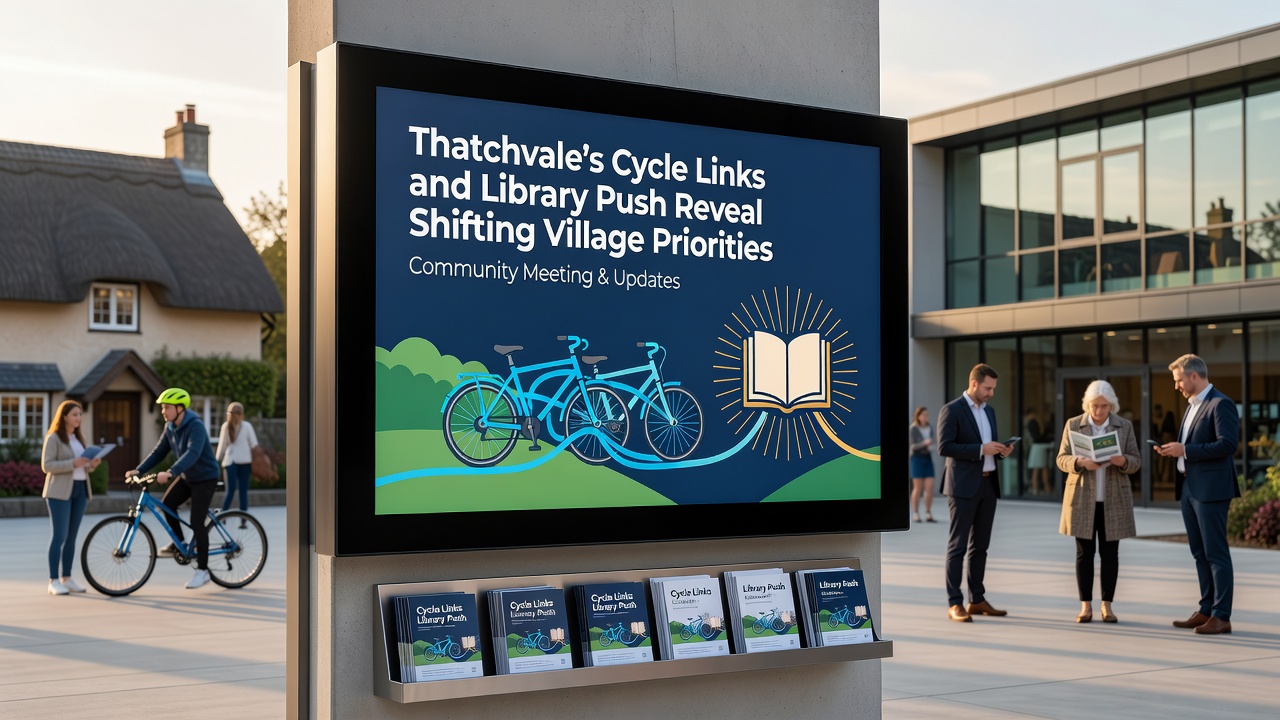
October 2026 has been identified as a milestone period, with public exhibitions planned to display detailed route maps and library designs side by side. These events will allow residents to review final alignments and interior layouts before contractors begin on-site work. Coordination between the transport and library teams aims to minimize disruption during construction periods.
Community and External Input
Local groups including cycling clubs and reading circles have contributed practical suggestions that shaped the final proposals. Their involvement helped refine junction designs for safety and influenced choices around library programming. External expertise has also played a role, with technical guidance drawn from established transport and cultural organizations. One such reference comes from Cycling UK guidance on rural network planning, while another draws on resources from the American Library Association concerning adaptable community spaces.
These inputs have been integrated into the documentation submitted for planning consent. The process remains open to further comment through formal channels, and adjustments can still occur based on feedback received before final decisions.
Conclusion
The simultaneous advancement of cycle links and library improvements illustrates how Thatchvale's priorities have broadened to encompass connectivity and lifelong learning alongside traditional concerns. Implementation over the coming years will provide concrete outcomes that residents can evaluate against the objectives set during the planning phase. Updated information will continue to appear through official parish channels as milestones are reached.